Amely Font Embroidery Review
As an embroidery designer who spends weekends hunched over a sewing machine and weekdays managing an Etsy shop, I have learned one hard truth: a design is only as good as its ability to sell in three seconds or less. When you are setting up a booth for a craft fair, customers walk by. They glance. If your product does not grab them visually, they move on. That is why I take every new digital file seriously before I even load the thread.
This week, I pulled up the Amely Regular Embroidery Font to see if it had what it takes for my upcoming handmade market season. The description promises it is "tailor-made for perfection" and fully compatible with the ever-popular PE format. But does it look good on a tote bag? Does it hold up on a curved cap? Let’s break down exactly how this font performs when turned into real-world craft fair products.
First Impressions and Visual Appeal
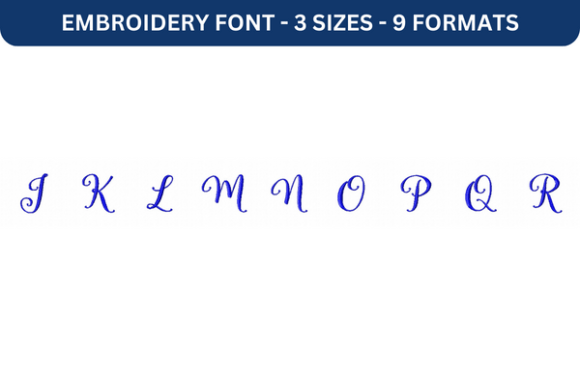
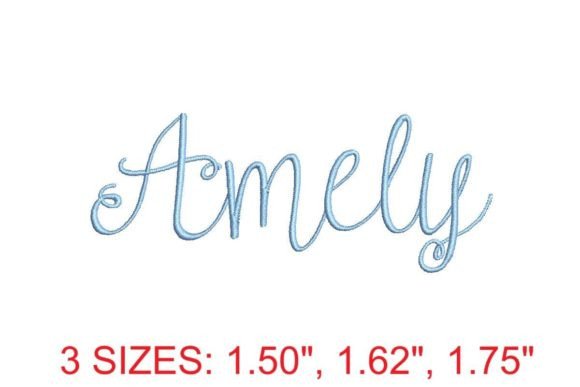
The moment I opened the embroidery file in my digitizing software, the first thing I noticed was the clean, balanced structure of the letters. In the world of machine embroidery design, fonts can often feel either too stiff and corporate or too messy and illegible. Amely strikes a sophisticated middle ground. It feels modern yet timeless, with a slight elegance that suggests quality without shouting for attention.
For a handmade product seller, this subtlety is gold. It does not compete with the texture of the fabric; instead, it complements it. Whether you are aiming for a farmhouse aesthetic, a minimalist boutique look, or just clean everyday style, Amely fits right in. It reads as premium. When a customer sees high-quality stitching on a simple word, their brain automatically assigns a higher value to the item. This font helps you achieve that perceived value instantly.
Performance Across Key Product Categories
I tested the visual weight of Amely against several staple items in my inventory. Here is where it shines:
Tote Bags and Market Totes
A tote bag design is the bread and butter of many Etsy sellers. Amely works beautifully here because the letterforms are distinct enough to be read from a distance but refined enough to look chic. On a canvas tote, it looks intentional and artistic. It is perfect for short phrases or single words that serve as a focal point. Because the font is regular weight, it does not overwhelm the fabric, allowing the natural texture of the cotton or jute to show through.
Aprons and Tea Towels
Kitchen textiles are impulse buys at craft fairs. For apron embroidery, Amely provides a clean, professional finish. It looks particularly striking on solid-colored fabrics like navy, sage green, or cream. The same applies to tea towel embroidery. Since these items are often displayed folded or hanging flat, the clarity of the font is crucial. Amely maintains its legibility even when scaled down slightly, making it versatile for smaller kitchen accents.
Caps and Embroidered Patches
Curved surfaces are the enemy of poor digitizing. However, Amely’s consistent stroke width makes it forgiving on caps. It sits nicely on the front panel without looking stretched or cramped. Similarly, as an embroidered patch, the font holds its shape well. It gives the patch a polished, branded look rather than a homemade, sloppy appearance. This is essential for small shop product owners who want to build a recognizable brand identity.
Practical Selling and Production Notes
Beyond aesthetics, we need to talk about production efficiency. As a designer, time is money. Amely appears to be efficient in terms of stitch count, which means faster hoop times and lower thread usage. This is critical for batch production. If you are making twenty identical pillow covers for a weekend sale, you want a file that runs smoothly and quickly.
Photography is another huge factor. Amely photographs exceptionally well for online listings. The clean lines reflect light evenly, avoiding harsh shadows that can obscure details in printable mockups. When you upload photos to your digital embroidery file listing or social media, the font ensures that the image looks crisp and professional, increasing click-through rates.
Where to Use Caution
No design is perfect for every scenario. Here are some careful-use notes for Amely:
- Dense Stitch Areas: While generally open, check the spacing between letters if you plan to use very thick threads. On dark fabric, ensure you have high contrast. A light grey thread on black fabric might lose some detail if the stitch density is too low.
- Small Lettering: Avoid scaling this down too small. Fine details in the serifs or curves may disappear if the hoop size is tiny. Always keep the design large enough to maintain its character.
- Fabric Texture: Highly textured fabrics, like heavy bouclé or loose-weave burlap, can swallow up finer stitches. Test on scrap fabric first to ensure the stitch density holds up against the material.
Designer’s Checklist for Success
Before you rush to produce hundreds of units, follow these practical steps to ensure your finished product meets professional standards:
- Test on Scrap Fabric: Never go straight to your final item. Run the design on the exact type of fabric you intend to sell. This reveals issues with puckering or thread tension early.
- Check Thread Contrast: Ensure the thread colors you choose stand out against the background. Amely is elegant, but it needs visibility to sell.
- Review Spacing: Zoom in on the digital preview. Are the kerning and tracking balanced? Good spacing is what separates amateur work from professional commercial embroidery.
- Confirm Stabilizer Needs: Depending on the fabric, you may need cut-away or tear-away stabilizer. Amely’s structure suggests it handles standard stabilizers well, but always support delicate fabrics properly.
- Create a Real Mockup: Before taking photos for your shop, make one actual sample. Hold it in your hand. Does it feel substantial? Does the font look good in person? This tactile experience is vital for creative entrepreneurs.
- Verify Licensing: Most importantly, confirm commercial licensing. Just because you bought the file does not always mean you can sell the finished goods. Check the provider’s terms to protect your business.
Final Verdict
The Amely Regular Embroidery Font is a strong contender for any serious embroidery business. It balances beauty with usability, offering a look that appeals to a wide range of buyers—from students looking for cute Back To School accessories to homeowners seeking chic decor. Its compatibility with PE formats makes it accessible, and its visual clarity ensures it will turn heads at your next booth.
If you are looking to elevate your design assets and create handmade gifts that feel custom and high-end, Amely is worth adding to your library. It delivers the kind of polish that turns casual browsers into loyal customers. Just remember: test thoroughly, choose your fabrics wisely, and let the quality of the stitch do the talking.