Coccinelle Script Font Review
As an embroidery designer who has spent years translating digital graphics into tangible thread, I approach every new font with a mix of excitement and skepticism. We often see beautiful script fonts that look stunning on a screen but fall apart when stitched. They become tangled messes or lose their personality at small sizes. This is why reviewing Coccinelle Script Font is so important for small business owners, Etsy sellers, and apparel decorators looking to elevate their branded merchandise.
The description promises that you can let your creativity shine by stitching personalized gifts, playful monograms, or decorative accents. It highlights "unique and delightful letterforms" that bring a smile. For a brand identity built on warmth, approachability, and handmade charm, this sounds like a strong contender. But does it hold up in the hoop? Let’s dive into a professional review focused on real-world business application.
First Impressions: Personality and Brand Fit
When we talk about brand identity, the first impression of a design is everything. Coccinelle Script Font immediately signals friendliness. The word "Coccinelle" itself evokes images of ladybugs—playful, natural, and cheerful. In the context of Back To School supplies or creative studio branding, this font feels less corporate and more community-focused.
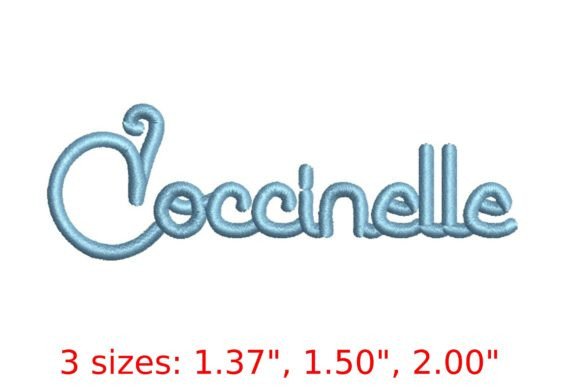
Visually, the letterforms appear to balance elegance with accessibility. It isn’t overly ornate or difficult to read, which is crucial for embroidered patches where clarity is key. For a bakery, florist, or boutique selling handmade products, this font suggests a premium yet welcoming experience. It avoids the rigidity of sans-serif fonts while steering clear of the pretentiousness of some high-contrast scripts. It feels modern enough for current trends but classic enough to remain relevant next year.
Real-World Business Applications
A machine embroidery design needs to be versatile. Here is how Coccinelle Script Font performs across various commercial applications:
- Embroidered Patches: This font shines as a central element on iron-on or sew-on patches. Its unique shapes allow it to stand out even on textured fabrics. It works beautifully for name badges, team uniforms, or custom labels attached to garments.
- Apron Embroidery: For chefs, bakers, or crafters, aprons are mobile billboards. Using this script for a logo or a catchy phrase adds a personal touch that customers appreciate. It elevates a simple work shirt into a branded uniform.
- Cap Embroidery: Curved surfaces present challenges, but if the lettering is clean, this font can wrap nicely around cap fronts. It offers a softer alternative to block letters, making hats feel more like lifestyle accessories than promotional giveaways.
- Tote Bag Design: Canvas totes are a staple for small business merch. A subtle script logo on the corner of a tote bag creates a sense of exclusivity. It pairs well with minimalistic iconography, creating a cohesive brand identity.
- Product Packaging Accents: Beyond clothing, this digital embroidery file can be used on hang tags, fabric care labels, or gift boxes. Adding a stitched accent to packaging significantly increases perceived product value and customer trust.
For Etsy branding and craft business assets, having a consistent visual language is vital. If you use this script for your main logo, using it for secondary elements (like "Handmade with Love" tags) creates visual consistency that reinforces recognition.
Where to Use It Carefully
Not every application is suitable. As a designer, I advise caution in the following scenarios:
- Small Patch Sizes: If the patch is smaller than 2 inches, fine details in the script may merge together. Always test at the actual production size.
- Tiny Lettering: Avoid using this font for very small text on cuffs or collars. Legibility drops sharply when stitch density becomes too high relative to letter height.
- High Stitch Density Areas: If the font relies on heavy fills, it can make fabric stiff. On delicate materials, this can distort the garment. Check the stitch density before committing to large runs.
- Textured Fabric: On heavily woven or fuzzy fabrics, the definition of script letters can get lost. Smooth cottons, polyesters, and blends yield the best results.
- Dark Uniforms: Ensure sufficient contrast. Light threads on dark backgrounds require careful underlay selection to prevent show-through.
Impact on Brand Identity and Customer Trust
Choosing the right typography directly affects how customers perceive your professionalism. A sloppy embroidery job screams amateur hour, but a crisp, well-placed script says attention to detail. Coccinelle Script Font, when executed correctly, enhances the handmade presentation of your goods.
It communicates that you care about aesthetics. In the competitive world of custom apparel and merch creators, standing out is half the battle. A delightful font brings a smile, as promised, and that emotional connection drives buyer engagement. Customers are more likely to share photos of their purchases if the design makes them feel good. This organic marketing potential is invaluable for small businesses.
Practical Designer Notes for Production
Before you upload this file to your multi-head machine or send it to a contract embroiderer, follow these essential steps:
- Test in Black and White: Remove color distractions. Does the shape of the letters still read clearly? This helps identify spacing issues.
- Check Small Size Performance: Reduce the design to the smallest size you plan to produce. Can you still read the text? Is the spacing comfortable?
- Review Thread Color Contrast: Choose threads that pop against your target fabric. Dark threads on light fabric usually offer better readability for scripts.
- Inspect Spacing: Script fonts often have overlapping letters. Ensure the kerning doesn't cause thread breaks or puckering.
- Confirm Hoop Size: Make sure your design fits within the standard hoops you use. Oversized designs require larger machines or multiple hooping actions, which increases labor costs.
- Test on Real Fabric: Never trust a computer preview alone. Stitch it out on the actual material you will sell. Watch for puckering or distortion.
- Use Proper Stabilizer: Scripts often benefit from cut-away stabilizers to maintain stability during stitching, especially on stretchy knits.
- Create a Printable Mockup: Before producing bulk orders, create a printable mockup for client approval. This manages expectations and reduces returns.
- Compare with Other Assets: Place this font beside your other design assets to ensure they work together harmoniously.
- Confirm Commercial Licensing: Most importantly, verify the license terms. Ensure you have the right to use this embroidery file for commercial products. Do not assume standard personal licenses cover business use.
Finally, remember that details like exact stitch count, specific file formats, and precise hoop dimensions are technical specifics that vary by provider. Unless explicitly stated in the product details for Coccinelle Script Font, always ask the creator for these specifications before finalizing your production plan. This diligence protects your reputation and ensures your finished product meets the high standards your customers expect.
In summary, Coccinelle Script Font is a delightful addition to any embroidery library aimed at creating warm, engaging, and professional merchandise. It bridges the gap between playful creativity and polished branding, making it an excellent choice for small business owners ready to take their visual identity to the next level.