Jasmine and Green Tea Embroidery Font Review
As an embroidery designer who spends hours testing stitches and fabrics, I approach every new digital file with a mix of excitement and skepticism. When the Jasmine and Green Tea Embroidery Font landed in my inbox, I was immediately drawn to its name. It promised something fresh, aromatic, and elegant. But does it deliver on that promise when stitched onto real fabric? For those of you running Etsy shops, small businesses, or gift boutiques, knowing how a design performs before you sell it is crucial. Today, I am putting this font through its paces to see if it belongs in your product catalog.
First Impressions: Mood and Charm
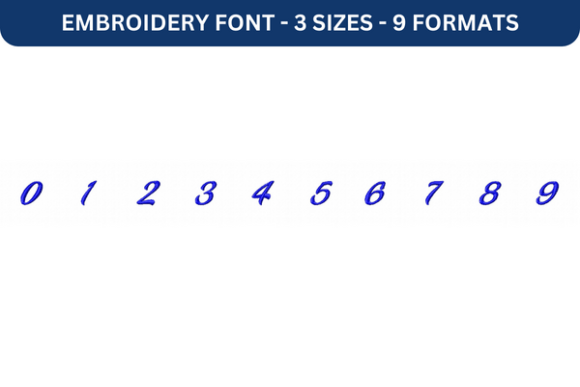
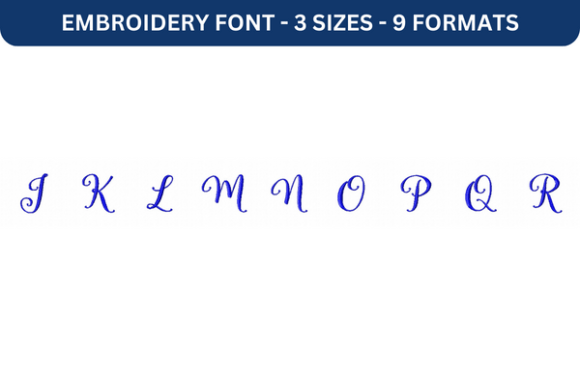
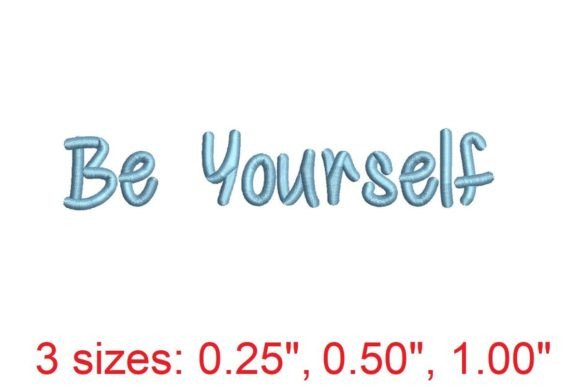
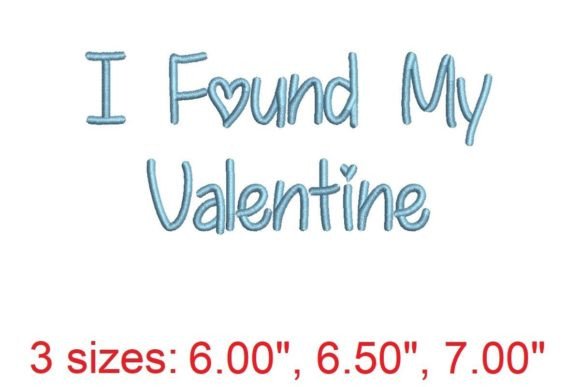
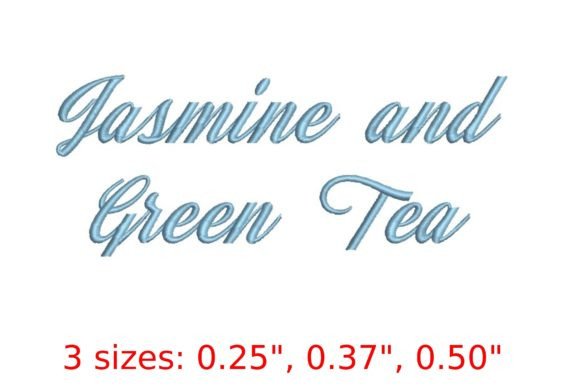
The moment I loaded the Jasmine and Green Tea Embroidery Font into my digitizing software, I noticed its delicate structure. This is not a bold, blocky script that screams for attention. Instead, it whispers. The letterforms have a soft, flowing quality that feels romantic and timeless. It captures the essence of floral elegance without being overly ornate or difficult to read.
In terms of mood, this font feels like a warm afternoon break. It is sweet but sophisticated, making it perfect for products that need to convey care and thoughtfulness. Whether you are creating a personalized gift for a newborn or a keepsake for a wedding, this script adds a layer of emotional connection. It feels handmade, even though it is a digital file, which is exactly what modern buyers are looking for. The charm lies in its balance; it is playful enough for children’s items yet refined enough for adult-oriented decor.
Real-World Application: From Concept to Finished Product
To truly understand the potential of this design, I imagined specific customer scenarios. Let’s look at how the Jasmine and Green Tea Embroidery Font translates across different product types.
Baby and Nursery Items
One of the most popular categories for baby embroidery is nursery decor. Imagine a white muslin blanket embroidered with a child’s name in this script. The soft curves of the letters complement the gentle nature of baby products. However, I found that this font works best when paired with simple icons, such as a small jasmine flower or a tea cup, rather than large blocks of text. For a custom onesie or a receiving blanket, the font provides a high-end look that justifies a premium price point.
Kitchen and Home Textiles
I also tested the font on an embroidered towel. The contrast between the crisp script and the textured cotton weave was striking. This font would be excellent for kitchen towels sold as housewarming gifts. The name suggests freshness, which aligns perfectly with home goods. Similarly, on a pillow cover, the font adds a touch of class. It elevates a standard throw pillow from a basic craft store item to a boutique piece. For blanket embroidery, especially on fleece or minky, the font remains legible and charming, provided the stitch density is adjusted correctly.
Wedding and Special Occasions
For wedding gift designers, this font is a hidden gem. Think of personalized aprons for the newlyweds, monogrammed tote bags for bridal party favors, or embroidered handkerchiefs. The aesthetic is classic and romantic, fitting seamlessly into traditional wedding themes. It also works well for anniversary gifts, where couples appreciate subtle, elegant personalization over loud, trendy designs.
Where Caution Is Required
While the Jasmine and Green Tea Embroidery Font is beautiful, it is not suitable for every application. As a professional, I must highlight areas where this design might struggle.
- Small Lettering: Because the script has fine details, shrinking the text too much can result in lost definition. If you are embroidering very short names or tiny initials, test carefully to ensure the loops do not merge.
- Textured Fabrics: On heavily textured materials like thick terry cloth or chunky knits, the delicate lines may get lost. The fabric texture can compete with the fine threads of the font.
- Stretchy Fabrics: While usable on stable knits, extreme stretchiness in baby clothes or athletic wear can distort the script. Always use appropriate stabilizers to prevent puckering.
- Dark Fabric: Without proper underlay stitching, light thread colors on dark fabric may show through unevenly. The font relies on clean lines, so background noise from the fabric can ruin the effect.
- Curved Surfaces: Embroidering on curved items like hats or sleeves requires careful hooping. The natural flow of the font may not follow sharp curves well, leading to tension issues.
Impact on Giftability and Brand Value
Choosing the right machine embroidery design directly affects how customers perceive your brand. Using a high-quality script like Jasmine and Green Tea Embroidery Font signals professionalism. It tells the buyer that you care about aesthetics and detail. In the competitive world of Etsy seller markets, visual appeal is everything. A beautifully executed font increases perceived value, allowing you to charge more for your handmade product.
Furthermore, this font enhances product photography. Designs with elegant scripts photograph beautifully against neutral backgrounds, attracting clicks and engagement. Buyers often associate good typography with good craftsmanship. When they see a clean, well-stitched name, they trust that the rest of the product is made with equal care. This builds customer trust and encourages repeat business.
Practical Embroidery Notes for Success
Before you start producing these items for your small shop product line, follow these practical steps to ensure the best results.
- Test on Scrap Fabric: Never assume a design will work on your final material. Stitch it out on the exact fabric you plan to use.
- Check Thread Color Contrast: Ensure there is enough contrast between the thread and the fabric. Light threads on light fabric can disappear, while dark threads on dark fabric may lack definition.
- Confirm Hoop Size: Make sure the design fits comfortably within your hoop. Avoid placing critical details near the edge where the hoop clamps down.
- Review Stitch Density: If the design looks too sparse, add density. If it looks bulky, reduce it. Proper density ensures durability and a smooth finish.
- Use Proper Stabilizer: The choice of stabilizer (cut-away vs. tear-away) depends on the fabric. For custom embroidery on delicate items, a cut-away stabilizer often provides better long-term support.
- Compare Mockups: Create a printable mockup or digital preview to show customers before production. This helps manage expectations regarding size and placement.
- Check Commercial Licensing: Always verify the commercial embroidery rights of the digital embroidery file before selling finished products. Do not assume personal use licenses allow for resale.
Final Thoughts
The Jasmine and Green Tea Embroidery Font is a versatile and charming addition to any designer’s library. Its ability to blend sweetness with sophistication makes it ideal for a wide range of personalized gifts. From baby embroidery projects to elegant wedding gift accessories, this font delivers a polished, professional look that customers love. By paying attention to fabric choices, stabilization, and thread contrast, you can create stunning finished products that stand out in the market. If you are looking to add a touch of floral elegance to your back to school collections or year-round inventory, this script is definitely worth testing. Remember, the key to success in handmade product creation lies in the details. Take the time to test, refine, and perfect your designs, and your customers will reward you with their loyalty.