One Way Block Font Review
As an embroidery designer who spends more time than I care to admit staring at stitch lines and adjusting hooping strategies, I approach every new download with a mix of hope and skepticism. The market is saturated with digital files, but not all of them translate well from the screen to the fabric. Recently, I came across One Way Block Font on Creative Fabrica, categorized under Back To School supplies. At first glance, it looked like another standard block lettering file, but after putting it through its paces for a potential commercial project, I found it to be a surprisingly robust tool for specific applications.
This review isn’t just about how the letters look in a preview window; it’s about how they perform when you are trying to sell a handmade product or fulfill a custom order. If you are an Etsy seller, a small business owner, or a crafter looking to elevate your output, read on to see if this font deserves a spot in your design assets library.
First Impressions and Visual Appeal
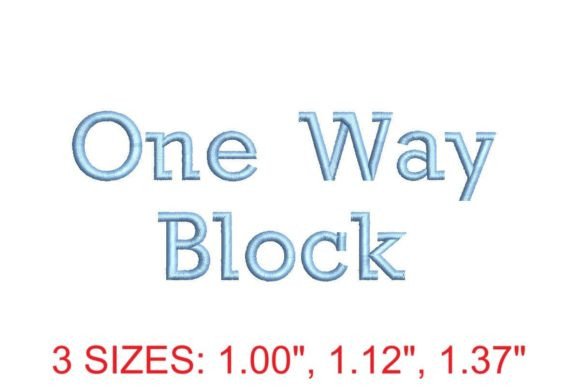
The immediate visual mood of One Way Block Font is bold, clean, and unapologetically modern. Unlike script fonts that can become illegible when stitched at smaller sizes, block letters have a structural integrity that translates well to machine embroidery. The design feels sturdy, which makes it particularly effective for items where durability and clarity are paramount.
When I loaded the file into my digitizing software, the initial layout was straightforward. It is compatible with the widely popular PES file format, which is a huge plus for compatibility across various home and commercial machines. However, the real test lies in the details. The characters have a distinct personality—they aren’t just plain rectangles; they have enough definition to catch the light without being overly ornate. This balance is crucial for maintaining a professional finish on finished products.
Real-World Application: Where Does It Shine?
I decided to test One Way Block Font in several scenarios that mimic real customer orders. Here is how it performed across different categories:
- Tote Bag Design: This is perhaps the most natural fit. The bold nature of the font stands out against canvas fabrics. Whether used for a simple monogram or a full phrase, it reads clearly even from a distance. It works exceptionally well for back-to-school tote bags, adding a touch of chic functionality.
- Sweatshirt Embroidery: When applied to heavier fabrics like fleece or cotton blends, the font holds its shape well. It provides a streetwear aesthetic that is currently trending in boutique merchandise. The block style complements the texture of knit fabrics without getting lost in the weave.
- Kitchen Towels and Aprons: For functional items, legibility is key. One Way Block Font delivers crisp edges that remain readable after washing. It adds a personalized gift element to kitchen linens that feels both rustic and refined.
- Embroidered Patch: Because of its solid structure, this font is ideal for creating patches. The dense areas provide good coverage, making it suitable for branding logos or decorative emblems on caps and jackets.
Technical Performance and Practical Considerations
While the aesthetic appeal is high, an experienced designer knows that execution is everything. Here are some practical notes to keep in mind when using this embroidery file in your workflow.
Hoop Size and Stitch Density
One critical factor to consider is the hoop size. Block fonts can sometimes create large, continuous fill areas if not digitized efficiently. Before committing to a production run, always test on scrap fabric to check the stitch density. High-density stitching can lead to puckering, especially on lightweight or stretchy fabrics. If you plan to use this for tiny lettering on baby items, inspect the small details after stitching to ensure no threads are breaking or clumping.
For larger projects, such as a sweatshirt chest print, the font scales beautifully. However, always confirm the file details and licensing on the Creative Fabrica product page before selling finished items to ensure you are compliant with commercial use terms.
Fabric Compatibility
The performance of One Way Block Font varies depending on the substrate. On stable woven fabrics like denim or canvas, it performs flawlessly. On textured or stretchy materials, you may need to adjust your stabilizer choice. A cut-away stabilizer is often recommended for stretchy knits to prevent distortion during the stitching process. Additionally, thread colors play a significant role; ensure there is sufficient contrast between the thread and the fabric to maintain the font’s visual impact.
Impact on Product Value and Branding
In the world of handmade goods, presentation is half the battle. Using a well-executed font like One Way Block Font can significantly enhance buyer trust and perceived value. A clean, professional-looking embroidery suggests quality craftsmanship, which encourages customers to pay a premium price.
Furthermore, this font supports brand consistency. If you are building a line of nursery decor or seasonal handmade gifts, having a reliable typeface allows you to create cohesive collections. The versatility of the design means it can be adapted for various themes—from playful school supplies to sophisticated adult accessories—without losing its core identity.
For digital product sellers, this font also opens up opportunities for printable mockups. You can showcase the design in various contexts, helping potential buyers visualize the final product. This visual appeal drives engagement and increases conversion rates on platforms like Etsy or your own online store.
Final Verdict
After evaluating One Way Block Font for potential commercial use, I find it to be a valuable addition to any embroidery designer’s toolkit. It strikes a rare balance between simplicity and style, making it suitable for a wide range of projects from personal gifts to mass-produced boutique items.
However, success depends on proper preparation. Always test your designs, choose the right stabilizer, and respect the limitations of your machine and materials. By doing so, you can leverage the strength of this font to create stunning, durable, and marketable embroidered products.
If you are looking to add a touch of modern boldness to your next creative project, One Way Block Font is definitely worth considering. Just remember to review the specific technical specifications and license agreements provided by the creator to ensure a smooth and legal production process.