Script Number Nine Review
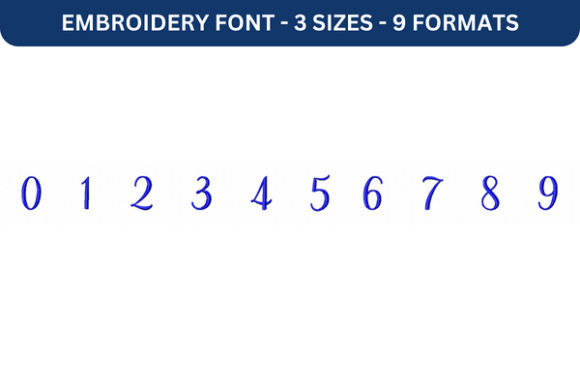
As an embroidery designer who spends hours tweaking digitizing files and testing stitch patterns, I approach every new digital download with a mix of curiosity and skepticism. We are constantly looking for that perfect balance between aesthetic charm and technical reliability. Recently, I pulled Script Number Nine from my library to evaluate its potential for our personalized gift shop. This machine embroidery design is marketed as a stylish script font available in multiple formats, compatible with various machines. But does it hold up when stitched onto real customer products? After running several tests on scrap fabrics and mockups, here is my honest assessment of how this design fits into the world of handmade gifts.
First Impressions: Mood and Aesthetic Appeal
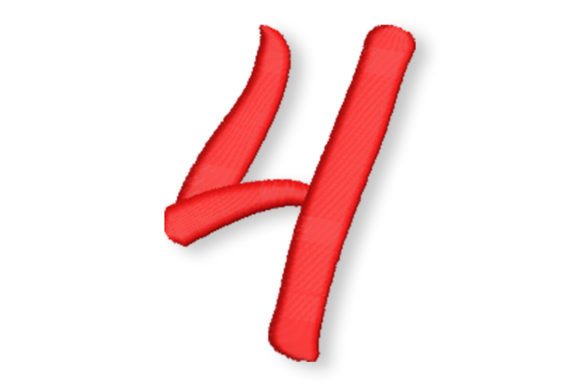
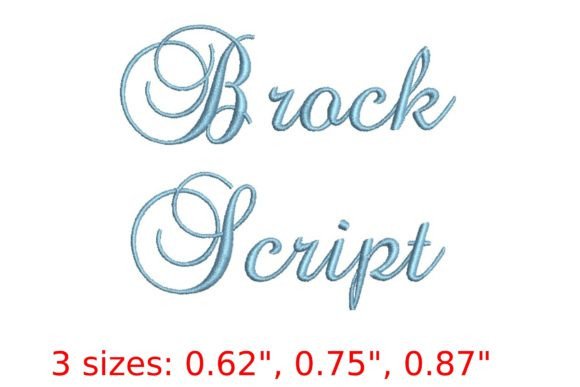
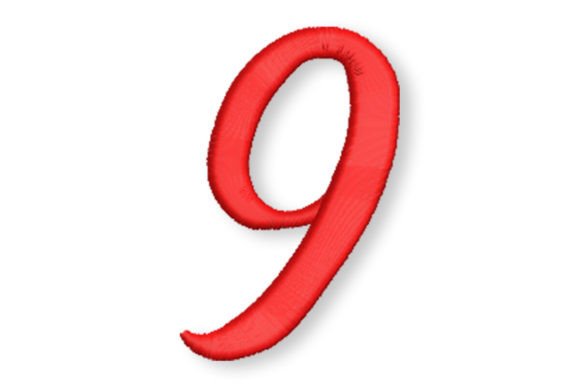
The moment I loaded the file, the character of Script Number Nine became clear. It exudes a warm, inviting energy that feels both modern and timeless. Unlike some rigid block fonts that can feel cold or corporate, this script has a fluidity that mimics hand-lettering without sacrificing legibility. For a business focused on emotional connection, such as selling baby blankets or wedding keepsakes, this mood is invaluable.
The design feels sweet yet sophisticated. It strikes a delicate balance between playful and elegant. When I previewed it on a digital mockup of a nursery pillow cover, it didn’t look childish; instead, it looked curated and intentional. This versatility is crucial for an Etsy seller or small shop owner who wants to appeal to a broad demographic. Whether you are targeting new parents, couples planning a wedding, or teachers preparing classroom decor, the aesthetic of Script Number Nine is adaptable enough to fit those narratives seamlessly.
Real-World Application: From Digital File to Finished Product
Let’s imagine a specific scenario. A customer comes to your shop requesting a custom embroidered towel for a housewarming gift. They want their family name stitched in a graceful, flowing style. This is where the utility of this embroidery file shines. Because it comes in multiple formats, you aren’t locked into one brand of machine, which is a significant advantage for flexibility.
I tested the design on a standard cotton kitchen towel. The script flowed beautifully across the fabric, creating a focal point that felt personal and high-end. However, the true test lies in its application across different product types:
- Baby Embroidery: On a soft muslin blanket, the fine lines of the script added a touch of delicacy that parents love. It feels like a heirloom piece.
- Wedding Gifts: Used on a linen tote bag or a guest book cover, the script adds a romantic flair. It pairs well with monograms, allowing for a cohesive branding look for your shop.
- Nursery Decor: When stitched onto a wooden hoop or a canvas print, the design serves as a charming centerpiece. It enhances the perceived value of the item, making it feel like a premium handmade product.
- Custom Aprons: For culinary enthusiasts, placing the script near the pocket area creates a functional yet decorative accent.
This adaptability makes Script Number Nine a strong candidate for your catalog. It allows you to market items not just as "embroidered goods," but as meaningful tokens of affection. The emotional connection buyers feel when they see their child’s name or their wedding date stitched in such a graceful font directly impacts buyer engagement and conversion rates.
Technical Considerations and Where to Use Caution
While the aesthetic is strong, no designer should rush into production without considering the technical limitations. Script fonts, by nature, rely on thin lines and intricate curves. Here is where you need to be careful:
- Fabric Texture: Avoid using this design on highly textured fabrics like heavy terry cloth towels unless you are using a dense fill underlay. The texture can obscure the fine details of the script, making it look muddy or incomplete.
- Stretchy Fabrics: Baby clothes often involve knits or stretchy materials. Without proper stabilization, the tension of the thread can distort the delicate loops of the letters, causing them to pucker or warp.
- Small Lettering: If you plan to use very small text (under 1 inch in height), test thoroughly. Fine details may get lost during the stitching process, especially if the recipient views the item from a distance.
- Dense Stitch Density: Check the stitch density of the file. If it is too light, the fabric might show through. If it is too heavy, the finished product may feel stiff and uncomfortable, particularly on a blanket or clothing item.
- Dark Fabrics: Ensure you have sufficient contrast. A light script on dark fabric requires high-quality white or cream threads to maintain readability and elegance.
Always remember to check the hoop size requirements before starting a large order. While the design is versatile, fitting it perfectly within your machine’s limits ensures consistent quality across all units.
Boosting Perceived Value and Trust
In the world of online selling, visual presentation is everything. A well-executed custom embroidery job signals quality and care. When you showcase a finished product featuring Script Number Nine, you are demonstrating attention to detail. This builds customer trust. Buyers are more likely to leave positive reviews and recommend your shop when they receive a product that looks polished and professional.
Furthermore, the ability to offer this as a commercial embroidery service opens up revenue streams. You can create printable mockups for customers to visualize the final result before purchase. This reduces returns and increases confidence in your small shop product offerings. By offering a design that feels both classic and contemporary, you position your brand as a tasteful curator of gifts.
Practical Steps Before You Start Selling
Before adding Script Number Nine to your active inventory, follow these practical steps to ensure success:
- Test on Scrap Fabric: Never run a full production order without a test stitch. Use the same fabric and thread colors you plan to sell with.
- Check Thread Contrast: Test at least three different thread color combinations to see which offers the best readability and aesthetic appeal.
- Review Stabilizer Needs: Determine if you need cut-away or tear-away stabilizer based on the fabric type. Proper stabilization is key to preventing distortion.
- Confirm Licensing: Always verify the commercial licensing terms of the digital embroidery file. Ensure you are legally permitted to sell finished products made from this design.
- Inspect Small Details: Zoom in on your finished sample. Are any loops broken? Is the spacing even? If the details aren’t crisp, adjust your settings or consider a different design for that specific product.
By taking these precautions, you protect your reputation and ensure that every finished product leaving your shop meets high standards. Script Number Nine is a beautiful addition to any designer’s toolkit, offering the charm needed to create memorable gifts. With careful execution and thoughtful marketing, it can become a staple in your collection of personalized gift items.